
Why Do We Still Feel Stuck Even After Years of Therapy?
/
After more than thirty years as a psychotherapist, I found myself asking a question that changed the direction of my work. This article shares what I discovered—and why it transformed the way I think about healing and lasting personal change.
As a psychotherapist for more than thirty years, I witnessed the power of therapy to change lives. I saw people gain insight into their past, improve relationships, and develop healthier ways of thinking and behaving. For many, it was a deeply meaningful part of their healing journey.
But over time, I began to notice something that puzzled me.
Some people understood their problems remarkably well. They could explain how childhood experiences had shaped them. They recognized unhealthy relationship patterns. They could even identify the beliefs they wanted to change.
Yet despite all of this awareness, they often continued to struggle with the same painful emotions, fears, and self-defeating patterns.
Why?
I came to believe that understanding a problem and transforming the beliefs beneath it are not always the same thing.
Many of the beliefs that shape our lives don't exist only in our conscious minds. They operate quietly beneath our awareness, influencing our emotions, behaviors, and reactions before we even have time to think.
A person may consciously know:
"I'm worthy of love."
Yet subconsciously still believe:
"I'm not enough."
Someone may know:
"The abuse wasn't my fault."
Yet continue to carry guilt or shame.
Another may know they are safe today, yet still react to life as though danger is always just around the corner.
If you've ever experienced this, you're not alone.
In my experience, this is one of the reasons people sometimes feel frustrated after years of personal growth or therapy. They understand what happened. They know what they should believe. Yet something deeper continues to pull them back into old emotional patterns.
That realization changed the direction of my professional life.
I began exploring approaches designed to communicate more directly with the subconscious mind rather than relying solely on conscious insight. My goal wasn't to replace traditional therapy. It was to discover whether there was another pathway to lasting transformation.
One of the approaches that profoundly influenced my work was PSYCH-K®.
PSYCH-K is based on the understanding that many of our deepest beliefs about ourselves are stored in the subconscious mind. When those beliefs can be identified and replaced with beliefs that better reflect truth, people often experience changes that feel surprisingly natural. Instead of constantly trying to think differently, they begin responding differently because the beliefs driving their responses have changed. (You can learn more about the difference between talk therapy and PSYCH-K here.)
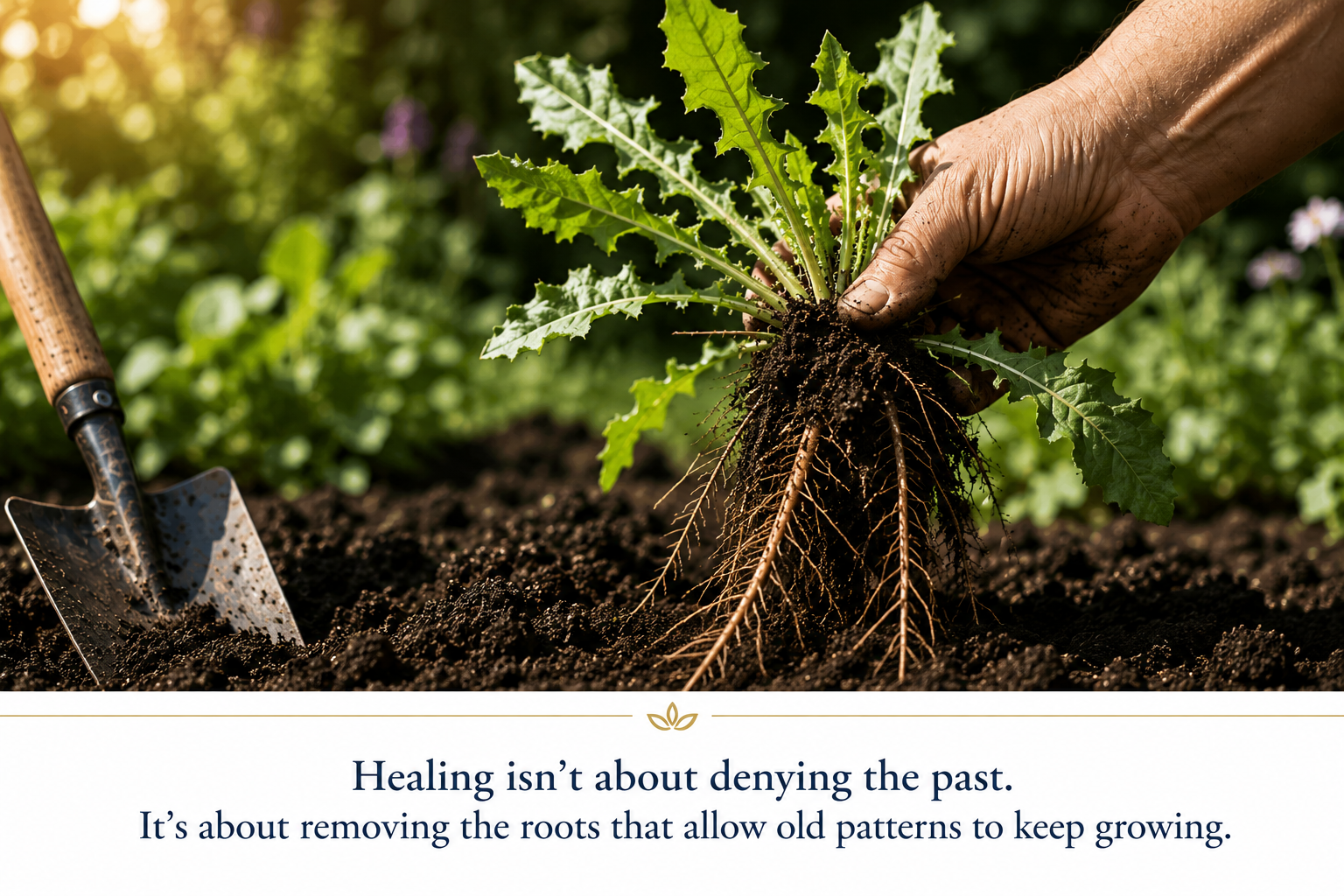
I often compare it to gardening.
Imagine cutting the weeds in your yard every week. The yard may look better for a while, but if the roots remain, the weeds eventually return.
Traditional therapeutic approaches can be incredibly effective at helping us recognize the weeds. In my experience, however, lasting transformation often occurs when we also address the roots.
That perspective doesn't diminish the value of therapy. In fact, I believe therapy and subconscious belief work can complement one another beautifully.
Therapy helps us understand our story.
Subconscious belief work helps us rewrite the conclusions we drew about ourselves because of that story.
Looking back, I don't see my years as a psychotherapist and my current work as separate journeys. I see them as chapters in the same journey—a journey toward understanding how genuine transformation occurs.
Today, I still believe insight matters.
But I also believe that healing often accelerates when the subconscious mind begins to accept a new truth.
Because when we no longer see ourselves through the distorted beliefs created by pain, we become free to see who we have been all along.
And that is where lasting transformation begins.
If you're wondering what change can look like in real life, you may enjoy What Happens When Limiting Beliefs Finally Let Go? One Client's Story.
If you're ready to explore how this approach might apply to your own life, I invite you to schedule a complimentary 20-minute Strategy Call. Together, we'll discuss your goals, answer your questions, and determine whether working together is the right next step for you.
If this article resonated with you, I invite you to continue exploring the Learning Center below, where I share practical insights into healing, limiting beliefs, emotional well-being, and personal transformation.
For a deeper look... Why Do I Keep Repeating the Same Patterns—Even When I Know Better?