When Protection Becomes a Prison
As children, we have limited choices.
As adults, we often have far more freedom than we realize—but old beliefs can continue filtering every new experience through the lens of the past.
A belief such as I'm not good enough may lead you to dismiss compliments, underestimate your abilities, or avoid opportunities.
A belief that people always leave may cause you to pull away from relationships before someone else has the chance.
A belief that success creates danger may show up as procrastination, perfectionism, or abandoning your goals just as progress begins.
From the outside, these reactions can seem irrational.
From the perspective of the subconscious, they often make perfect sense.
The mind is trying to protect you from experiencing the same pain again.
The Difference Between the Event and the Belief
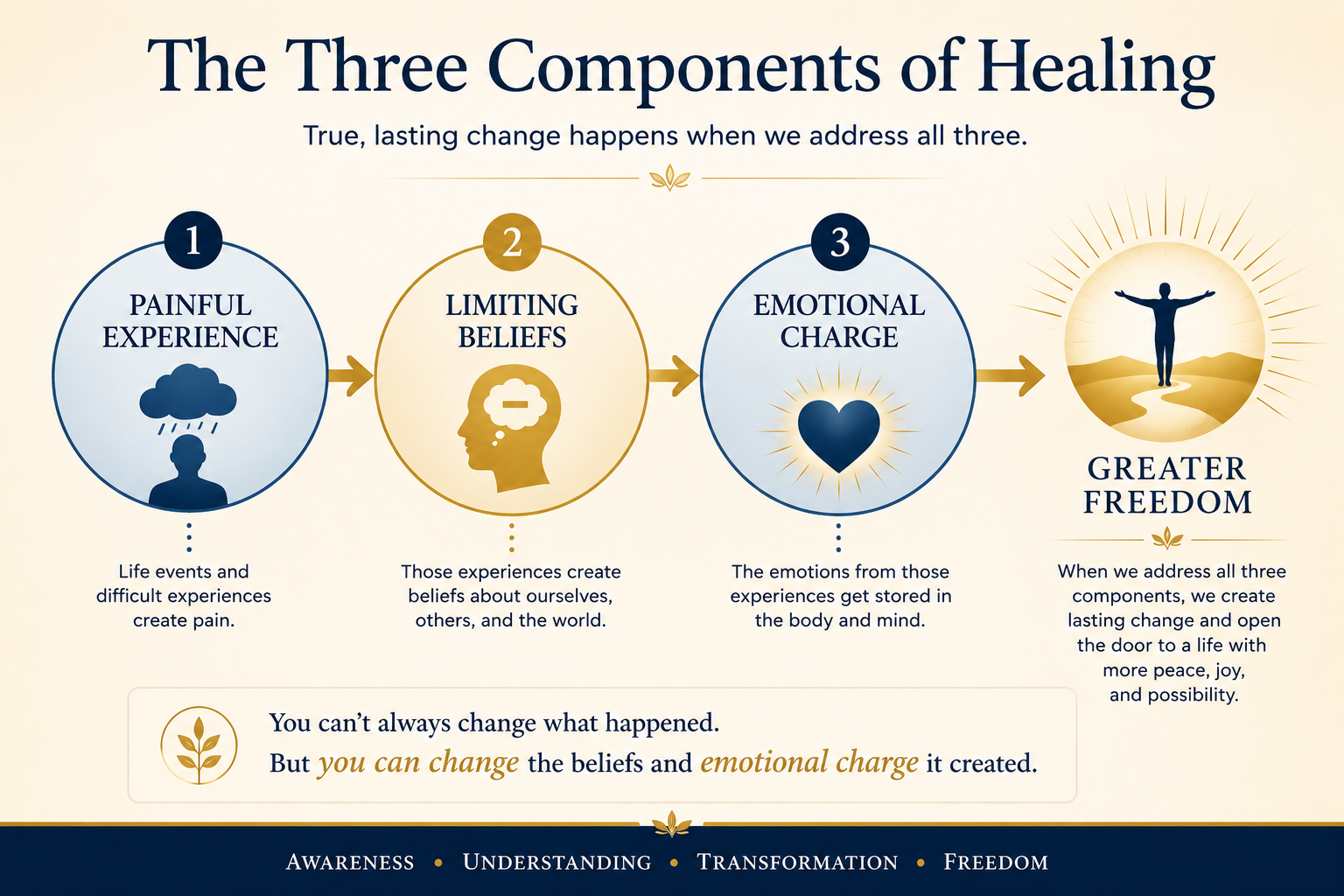
One of the most important distinctions in healing is recognizing the difference between what happened and what you came to believe because of what happened.
The event may not have been your choice.
The beliefs that grew from it may not have been conscious.
Neither makes them permanent.
You cannot rewrite your history.
You can, however, begin exploring whether the beliefs you carry today still deserve your trust.
That question alone can open the door to meaningful change.
Healing Is More Than Understanding
Insight is valuable.
Understanding your past can bring compassion, clarity, and freedom from self-blame.
For many people, talk therapy provides an essential place to process experiences, learn healthy coping skills, strengthen relationships, and receive professional guidance.
Yet some people eventually reach a point where they understand their history well but still feel trapped by familiar emotional reactions.
They know they are capable.
They know they deserve happiness.
Yet something inside continues pulling them toward fear, self-doubt, or old patterns.
Intellectual understanding and subconscious change are not always the same thing.
That doesn't diminish the value of insight.
It simply suggests there may be another level of healing worth exploring.
Working With Subconscious Beliefs
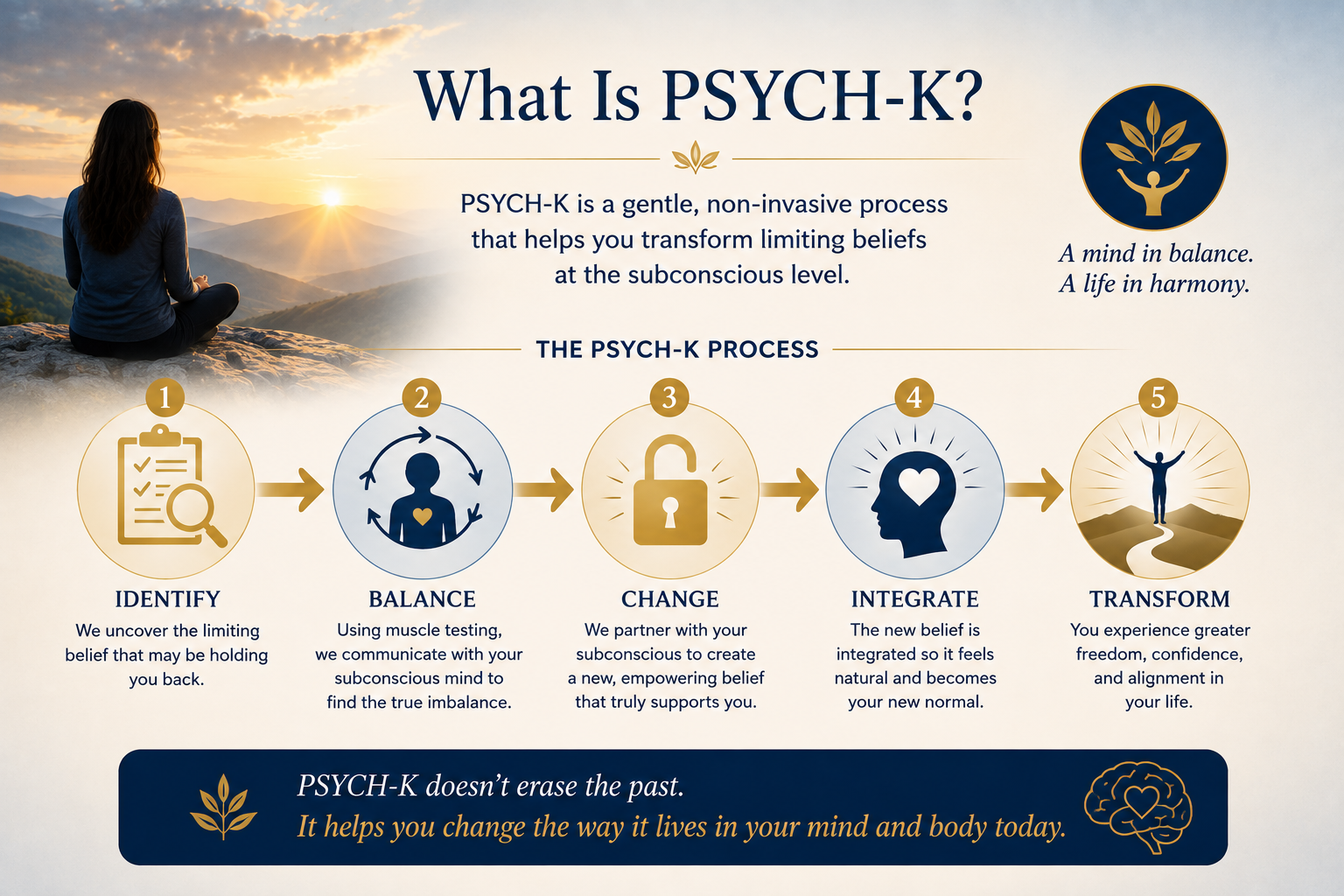
This is one reason many people become interested in approaches such as PSYCH-K.
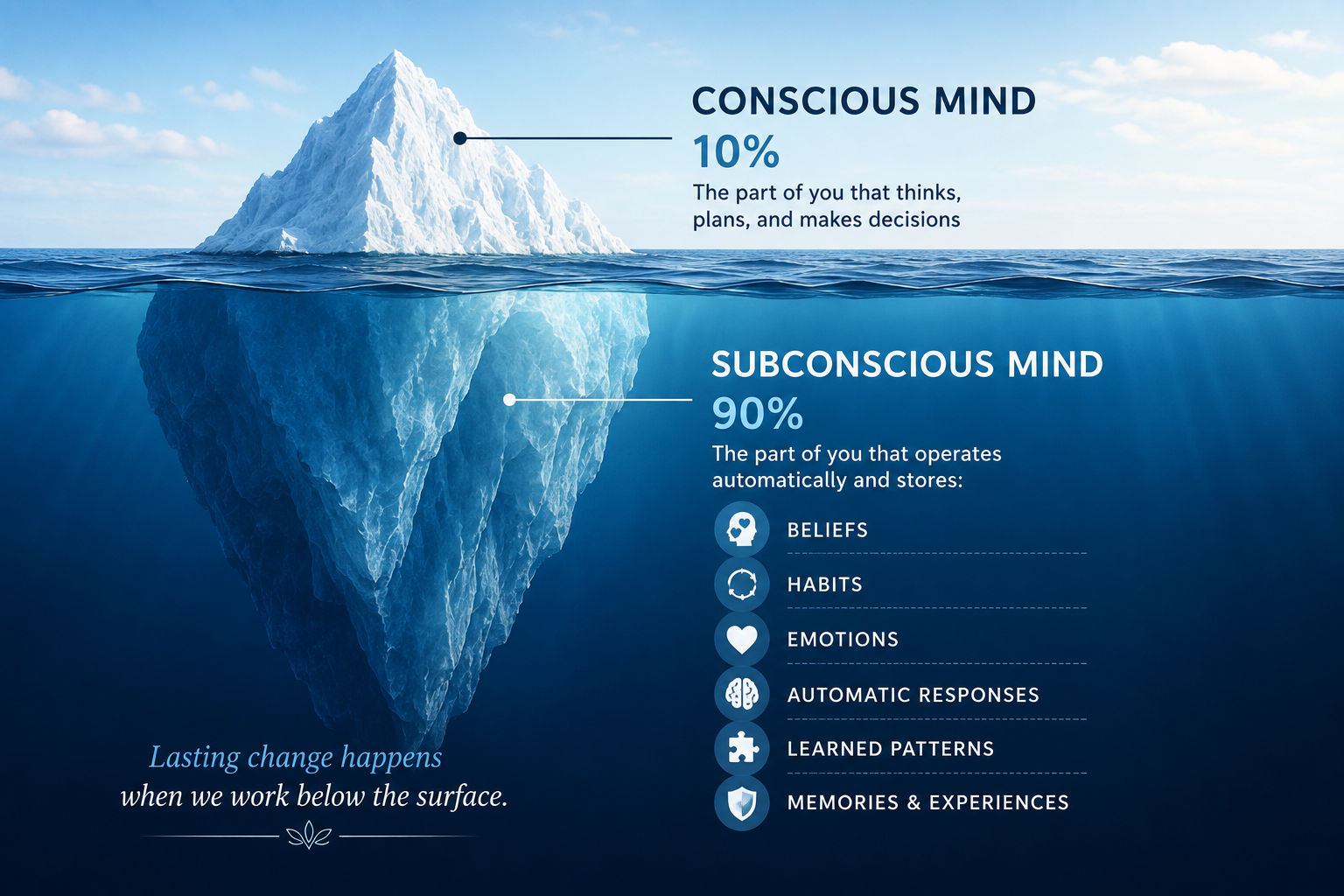
Rather than focusing primarily on analyzing the past, PSYCH-K is designed to help individuals explore and work with subconscious beliefs that may be influencing how they experience life today.
Many people describe feeling calmer, more confident, or more aligned with the life they want to create after engaging in subconscious belief work.
Every person's experience is different, and no approach is right for everyone.
The goal is not to erase the past or pretend painful experiences never happened.
It is to create space for new beliefs that better reflect who you are today rather than what you once endured.
Healing Looks Different for Everyone
Healing is rarely a straight line.
Some days bring clarity.
Others bring grief, uncertainty, or unexpected emotions.
That doesn't necessarily mean you are moving backward.
Growth often involves letting go of ways of thinking that once felt necessary.
As those beliefs begin to loosen, new choices become possible.
You may find yourself speaking more honestly.
Setting healthier boundaries.
Receiving love without immediately questioning it.
Taking opportunities you once avoided.
Feeling moments of peace where anxiety once lived.
Often, these quiet changes are the most meaningful signs that healing is taking root.
When Professional Mental Health Care Is Essential
Alternative healing approaches are not a substitute for emergency or specialized mental health care.
If you are experiencing thoughts of suicide, are at risk of harming yourself or someone else, are experiencing psychosis, severe dissociation, or are unable to keep yourself safe, seek immediate help through emergency services or a qualified mental health professional.
Talk therapy may also be the most appropriate choice when you need diagnosis, treatment planning, medication management, or specialized clinical support.
There is no conflict between seeking professional care and exploring personal or spiritual growth.
Many people benefit from a combination of approaches that address different aspects of healing.
The most important consideration is receiving care that is safe, appropriate, and responsive to your individual needs.